Resident Evil (2026) returns the long-running horror franchise to cinemas with a new story and a fresh creative team. Directed by Zach Cregger, the film follows Bryan, a medical courier caught in a terrifying night that spirals into a fight for survival. The film’s appeal rests on a familiar challenge for video-game adaptations: how to preserve the tension, atmosphere and survival problem-solving that players associate with the source material while making the story work for viewers who have never picked up a controller. This spoiler-light review analysis explores the new premise, franchise expectations, release context and early box-office interest.
Resident Evil (2026): at a glance
- Release: September 18, 2026 in US theatres
- Genre: Survival horror / action thriller
- Director: Zach Cregger
- Writers: Zach Cregger and Shay Hatten
- Lead cast: Austin Abrams, Zach Cherry, Kali Reis and Paul Walter Hauser
- Premise: Medical courier Bryan is caught in a rapidly escalating fight to survive one terrifying night
See the official Sony Pictures Resident Evil page for current synopsis and credits.
A new story inside a familiar franchise
The 2026 film is described by Sony Pictures as an all-new story rather than a direct retelling of a single earlier instalment. The central character, Bryan, is a medical courier who unexpectedly becomes trapped in a dangerous chain of events. That everyday occupation gives the story a useful entry point: he is not introduced as an unstoppable hero with every skill required for the situation. The premise instead places an ordinary worker inside a crisis and asks what survival might look like when information is incomplete and the next decision could change everything.
Starting with a new lead can help a large franchise reset its tone. Long-running series accumulate histories, characters, timelines and references that can reward devoted fans but overwhelm newcomers. A new story gives the filmmakers space to establish the immediate rules and emotional stakes first. The challenge is to make the film feel connected to the franchise’s survival-horror identity without assuming that viewers already understand its fictional history. The best entry points provide enough atmosphere and context to invite new audiences while giving returning fans a reason to recognise the world.
What makes survival horror work on screen?
Survival horror is most effective when danger feels like a problem that must be understood, not simply a series of obstacles to overpower. Characters may have limited time, incomplete information, few safe routes or resources they cannot easily replace. Those limits shape every decision and make small discoveries meaningful. A locked door becomes a puzzle, a quiet corridor becomes a risk and a decision to keep moving can carry as much tension as a large action scene.
That design philosophy comes from games, but a movie has to translate it rather than copy it literally. A film cannot ask its audience to control a character’s movements or explore a room at their own pace. Instead, it uses editing, point of view, sound and performance to make viewers understand the choices facing the protagonist. If the story communicates what is at stake before an escape or confrontation, the audience can feel involved even while watching passively. If it cuts too quickly between threats without showing why they matter, suspense can lose its sense of cause and effect.
Atmosphere, spaces and visual tension
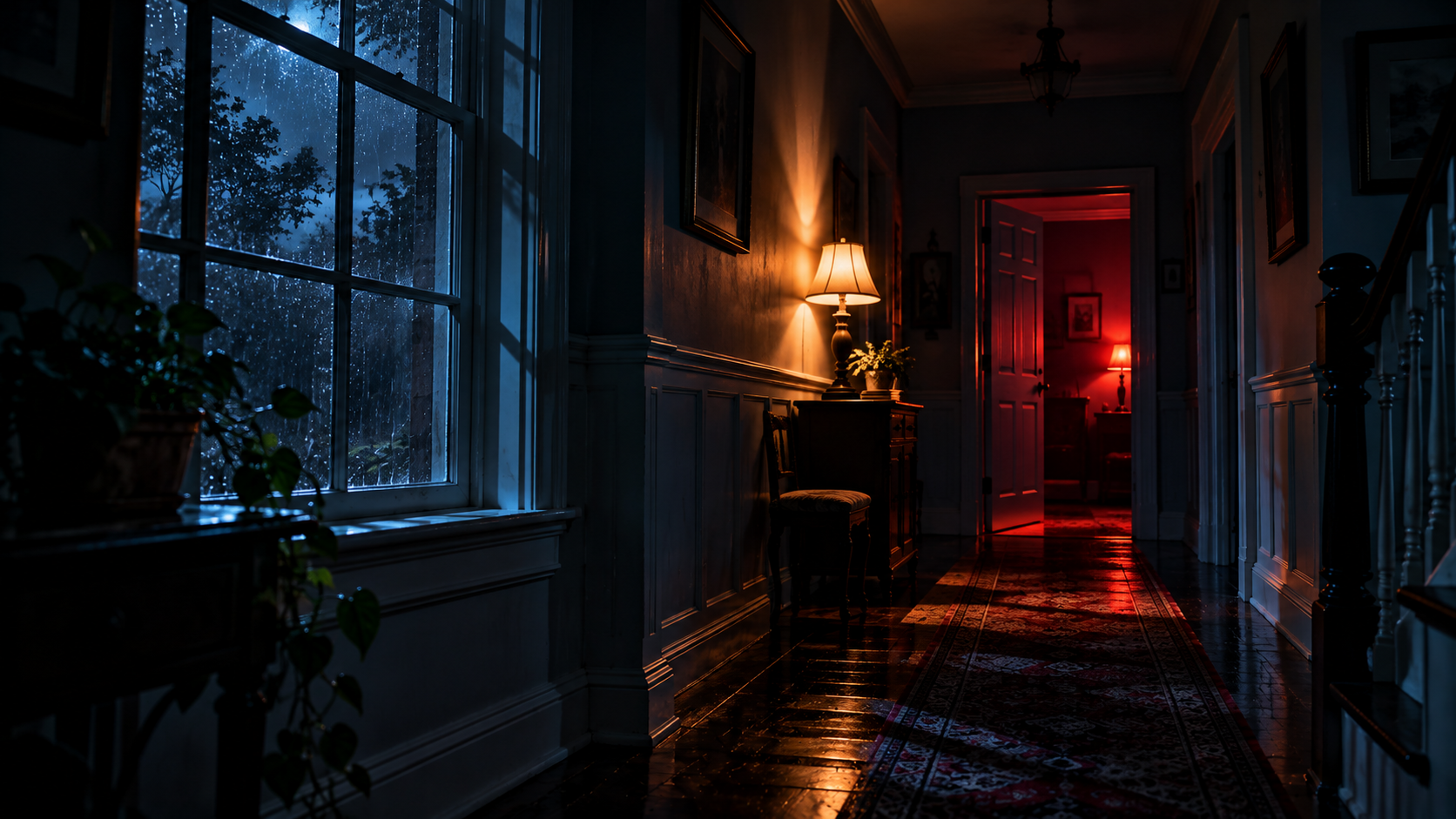
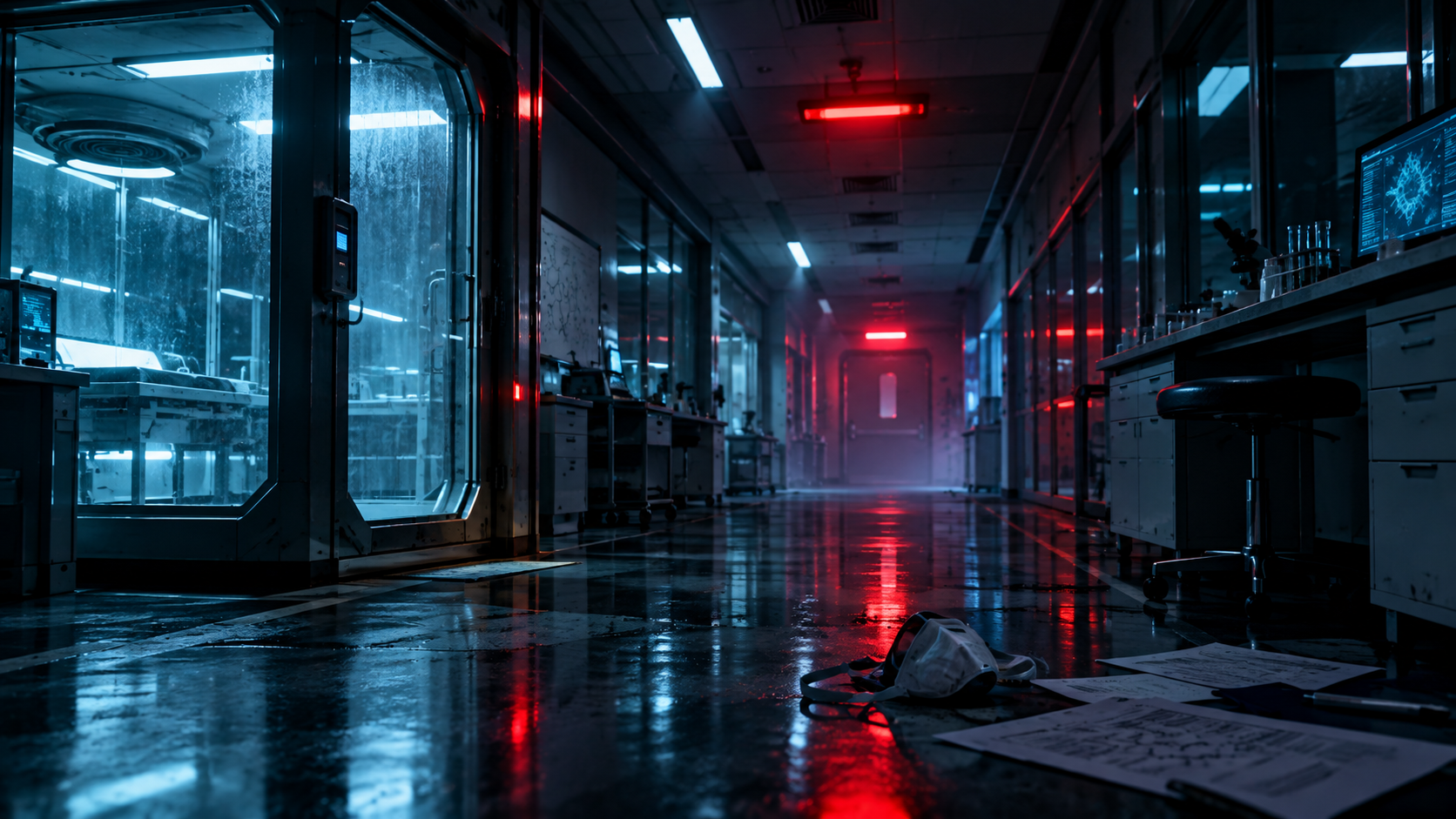
An isolated survival story benefits from an environment that feels like an active part of the plot. Corridors, service rooms, medical facilities and transport routes can be visually ordinary yet dramatically useful because they create barriers, blind corners and uncertain exits. Lighting can guide the viewer’s attention, while sound makes a space feel larger than the part of it that is visible. A film does not need to reveal a threat constantly; sometimes the absence of information is what makes a location uncomfortable.
The official premise places the story inside a compressed, dangerous night. That structure can create a strong clock for the audience. The protagonist is not simply travelling through a series of locations; he is trying to get through an escalating sequence before the situation becomes impossible. A carefully controlled visual style can help each new space feel like a different test rather than another backdrop. Whether the film’s atmosphere feels memorable will ultimately depend on how consistently the direction, production design, sound and pacing support that survival logic.
A courier as the centre of the story
Bryan’s role as a medical courier gives the film an accessible starting point. He is connected to systems and places that are important to the story, but he is not introduced as a specialist whose job is to hunt a threat. That can make the character’s response more relatable. Survival becomes a sequence of choices made under pressure, and the audience can evaluate those choices rather than assume the hero already knows how to solve every problem.
For that character approach to work, the screenplay needs to do more than keep Bryan in motion. His decisions should reveal something about his temperament, priorities and limits. Viewers often remain invested in genre films when they understand what a character is trying to protect or what line they do not want to cross. A strong survival-horror protagonist can be frightened and uncertain while still making choices that shape the outcome. The film’s premise offers room for this kind of character development, though an official synopsis alone cannot establish how fully the finished movie delivers it.
The Resident Evil adaptation challenge
Resident Evil is a recognisable name across games and films, which creates both an advantage and a burden. The brand helps audiences understand the broad genre promise, but it also creates expectations about tone, creature design, suspense, action and the relationship between science and disaster. Different fans may prefer different parts of that legacy. Some want a close relationship to the games; others prefer a fresh story that captures the mood of survival horror without repeating familiar plot beats.
The new film’s stated all-new narrative is a way to set its own course. That can be appealing if the story has a clear point of view and does not rely on references as a substitute for character. The other side of the decision is that long-time fans may judge the film against established franchise elements even when the filmmakers are trying something new. The most effective adaptation does not need to include every recognisable feature, but it should understand why the source material has endured: uncertainty, pressure, exploration and the feeling that the world has become dangerous in a way the protagonist cannot fully control.
Action and pacing: tension rather than noise
Horror-action films can struggle when they try to maximise every scene. If the camera is constantly moving, sound is always loud and every set piece reaches its peak immediately, viewers may not have time to understand the stakes. Effective pacing uses contrast. A quiet stretch can allow the audience to process the last discovery and wonder what may come next. A short burst of action then feels more intense because it breaks a pattern, not because the movie has been operating at maximum volume from the opening minute.
Survival horror also benefits from clear geography. The audience should understand roughly where a character is, what blocks the route and why a choice is risky. When editing becomes too chaotic, the viewer can no longer follow the problem being solved. When it is too explanatory, the suspense may stall. The balance lies in letting the space and the character’s immediate goal carry the scene, then using visual information to build pressure without turning each sequence into an indistinct blur of noise.
Why Resident Evil is part of the current horror conversation
The film remains a box-office talking point during an October when horror has attracted unusually strong attention. Recent industry reporting said Resident Evil earned roughly $8.4 million in North America in its fourth weekend and had passed about $320 million worldwide by that point. These are published estimates at a specific moment, not final lifetime totals. They do indicate that the title has maintained substantial commercial reach beyond its opening period.
Horror can travel internationally because its central promise—suspense, danger and a battle to survive—often does not require extensive background knowledge. A familiar franchise name can further help audiences identify the kind of experience being offered. But a strong box-office result does not automatically mean that every viewer will like the film, and a weaker result would not prove the reverse. Commercial performance measures ticket purchases and market conditions; critical reception measures how reviewers assess execution; personal enjoyment depends on an individual viewer’s expectations.
Strengths and risks of the new reboot
The project’s strongest opportunity is the combination of a simple survival premise and an established genre world. The courier perspective can give the danger a fresh point of entry, while a single-night structure can keep the story moving with a clear time pressure. The new continuity also offers a chance to establish its own atmosphere without requiring new viewers to follow years of backstory. Those are sound foundations for a modern survival-horror film.
The risks are common to franchise reboots. Familiar branding can make the marketing promise feel larger than the story itself. New viewers need characters who matter beyond their place in the franchise, while long-time fans want enough distinctive detail to feel that the series has not become interchangeable with every other outbreak thriller. If the film leans too heavily on spectacle, it can lose the vulnerability that makes survival horror compelling. If it protects its mysteries too carefully, it may hold back information the audience needs to understand the stakes. The balance between freshness and recognisable identity will define the movie’s long-term standing.
Who should consider watching Resident Evil?
The new Resident Evil may appeal to viewers who enjoy survival-horror stories, tense enclosed settings, science-fiction threats and films that turn a familiar fictional world into a fresh story. It may also work as an entry point for audiences who recognise the name but have not followed every earlier film or game. The official synopsis presents it as an all-new story, so newcomers do not need to assume they must know the full franchise history before viewing.
Viewers who prefer realistic drama without genre conventions may find the premise less appealing, while fans who expect a direct adaptation of particular game chapters should check the official description and review coverage before going in. For any release, local availability and age guidance differ by market. Official studio listings are the most reliable place to confirm the specific cinema date in your region.
Verdict: a fresh survival setup with a familiar challenge
Resident Evil (2026) has the ingredients for a clear, accessible survival-horror story: an ordinary lead character, a compressed period of escalating danger and a new narrative within a recognisable franchise. The box-office performance suggests the name and genre promise continue to attract audiences. The real test is whether the film makes its setting and survival decisions feel specific, and whether its new protagonist gives the story a human centre rather than functioning only as a guide through action sequences.
For viewers choosing an October horror film, the sensible approach is to judge it on what it aims to be: a new survival story inside an established world, rather than a scene-by-scene translation of a game. The franchise gives it a starting advantage; atmosphere, clarity, character and pacing will determine whether it becomes a memorable entry of its own.
Resident Evil (2026): common questions
Is Resident Evil a reboot or a direct sequel?
Sony Pictures describes the 2026 film as an all-new story and a reinvention of the franchise, rather than a direct continuation of one previous film plot.
When did Resident Evil (2026) release?
The official US theatrical release date was September 18, 2026. Local release and streaming availability can differ across markets.
Who directed Resident Evil 2026?
Zach Cregger directed the film and co-wrote it with Shay Hatten, according to the official Sony Pictures page.
Who stars in the new Resident Evil movie?
The announced cast includes Austin Abrams, Zach Cherry, Kali Reis and Paul Walter Hauser.
What is the new Resident Evil movie about?
It follows Bryan, a medical courier who becomes caught in a chaotic fight to survive one terrifying night.
Do I need to know the games to watch it?
The studio describes the story as new, which suggests it is designed to work without every earlier plot detail. Franchise fans may still notice connections and genre references.
How much has Resident Evil earned?
Industry reports around October 11–12, 2026 placed its worldwide box office above $320 million. Box-office totals are updated as new estimates and final reports arrive.
Is the new Resident Evil movie horror or action?
It is marketed as a horror film, with a survival-driven premise and action-thriller elements.
Why is Resident Evil trending in movie coverage?
The franchise has maintained box-office attention during a strong period for horror films, and the reboot’s current worldwide total has become part of the genre’s October conversation.
Where should I check current release and cast details?
Use the official Sony Pictures listing and compare it with established industry reporting.
Official information and further reading
- Sony Pictures — official Resident Evil synopsis, cast and credits
- Vulture — October 2026 box-office context
- The Verge — horror’s current industry momentum